Do you want to avoid unnecessary expenses, but you do not know how? This is the question that most people ask themselves daily, since we know that in these times of crisis, no one can squander their budget.
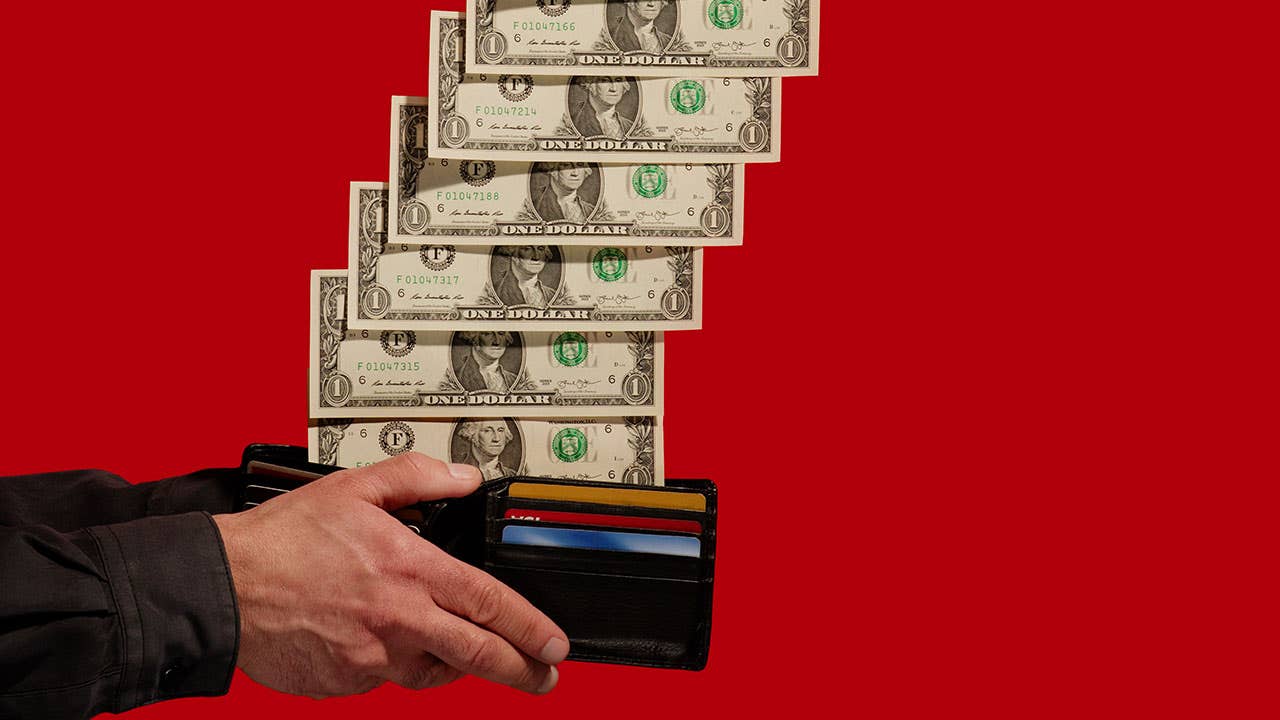
It is important to classify the expenses to know which ones you can eliminate without affecting your lifestyle too much, once this is done, it will be easier to set the monthly budget limit of your expenses in each category, but do not think that doing this means that you have to give up your little whims or your hobbies. Rather, it is about finding the so-called “ant expenses” (expenses related to minor consumptions that people make, which include coffee, sodas, snacks, cabs, among others), to avoid them and start saving.
So below you will find a series of tips for effective savings, which in the medium or long term will be reflected in your wallet.

Once we know how to identify our fixed and invariable expenses, the savings process can continue by establishing a fixed amount of money to save each month. This amount must be logical, because we cannot set an amount higher than our profits either, since it would not be achievable and the key point of this is to achieve sustainable savings.

Especially in these times of pandemic, online shopping has set a trend because it offers the ease of acquiring all kinds of products by just a click away. Even many online stores use the well-known “Deals” to attract the attention of consumers and generate more sales, but the problem is that most of the time we end up buying unnecessary products and wasting our budget. Therefore, to avoid being tempted, it is best not to spend too much time on online platforms such as Uber eats, Amazon or Aliexpress.

Buying something that we need when it is benefit to ourselves (both in food, appliances, leisure alternatives, etc.), we must spend the time to shop for prices. As we know, prices can vary depending on the place to buy the products, so comparing prices to detect the cheapest ones can be a habit that makes a difference for saving.

Finally, sometimes in our own home we can find everything we need to save. For example, when it’s time to eat and we don’t know what to cook, a situation in which the easiest decision is to order food at home. A wrong decision. It will always be better to look at the fridge or our cupboards to know what food we have and what dishes we can cook. A habit that will also help to avoid wasting food, another way to save and make the most of money.
I hope you find this information useful! and if you know more about saving tips, don’t hesitate to leave them in the comments.
Thanks a lot Alexa, it's easy to make the purchase without thinking too much about it, but taking a little extra time is always a good idea.
ResponderEliminarI totally agree with you , avoiding impulse purchases is one of the first steps to good money management.
Thanks, Alexa for helping us with these very useful tips at the moment that we want for saving our money. Since we always want to spend on unnecessary things and then we are without the money to buy or pay for the things that are necessary for us.
ResponderEliminarI love this blog and these tips that are useful for everyday life because many times we have spent on things that are not useful to us and sometimes we could have made a better investment, then we must think well on what we spend our money.
ResponderEliminar